
Polymer-like specimen
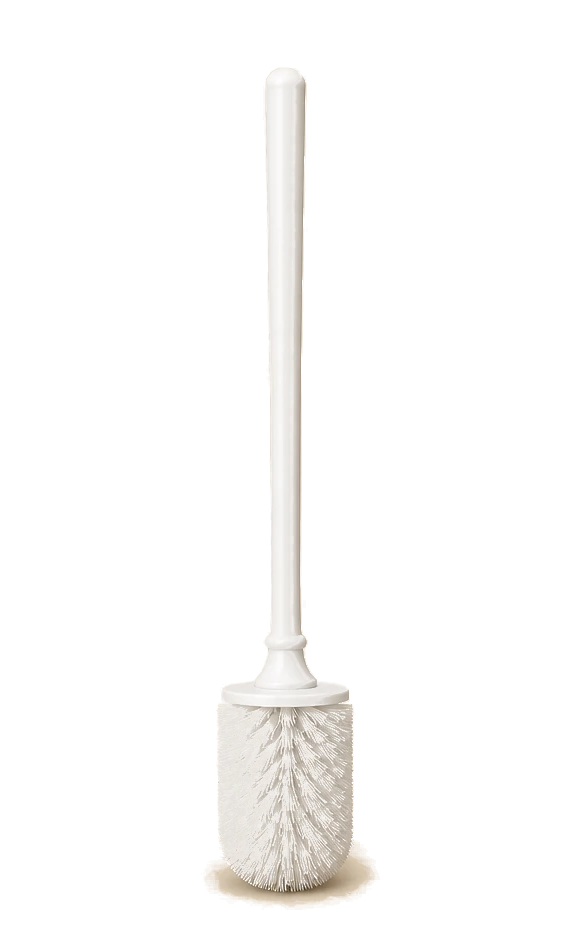
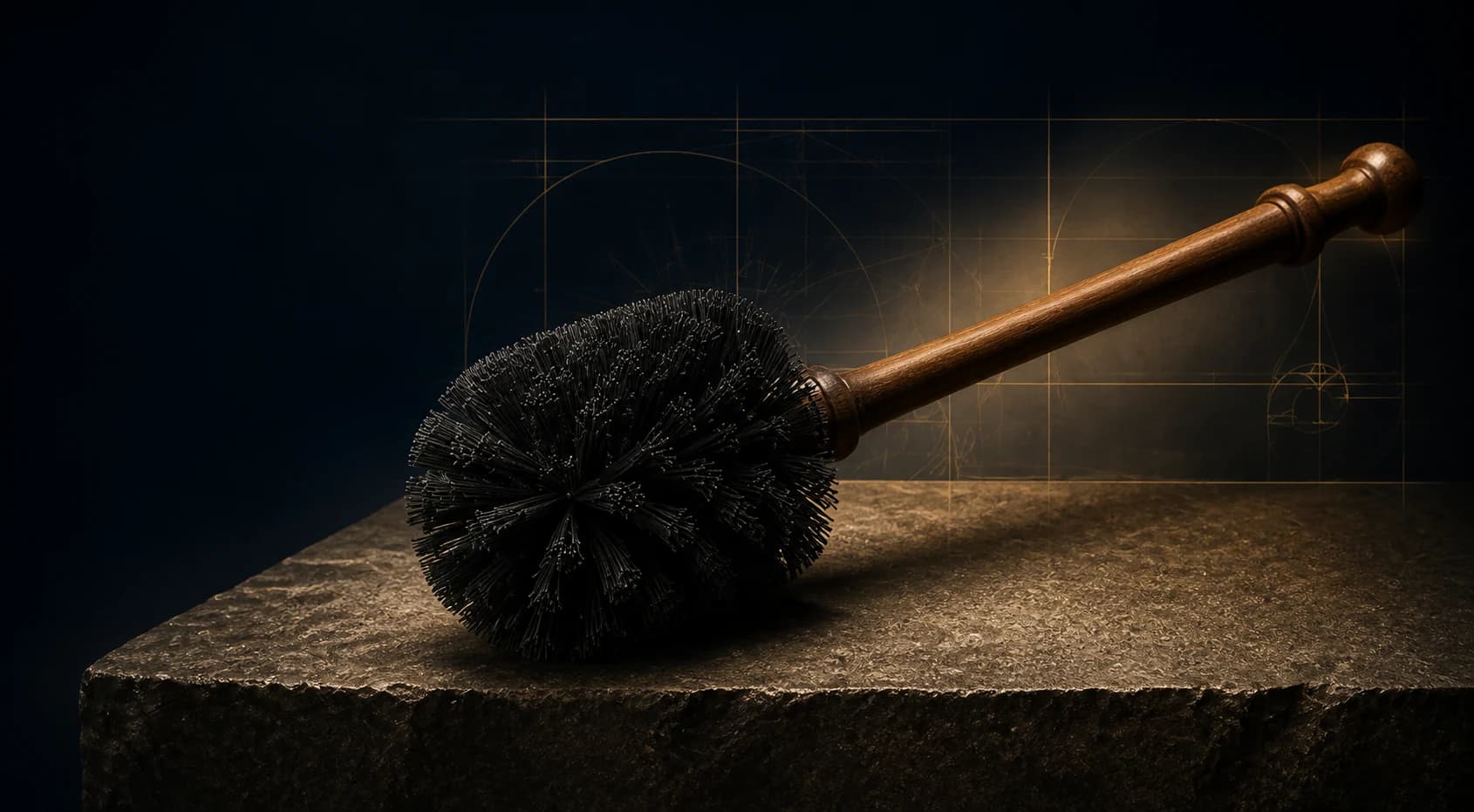
Across time, cultures and civilisations, the form of the Brush has remained essentially unchanged.
Not by accident. By truth.
This is not a design. It is a Law.
Primordial Brushes, encountered in the wild long before human manufacture, already display remarkable variation in material, proportion and appearance.
Modern industry multiplied these variations — sometimes dramatically — yet repeatedly converged upon the same underlying structure.
Variation is ancient.The Form persists.
The Form is not a silhouette. It is a structure.
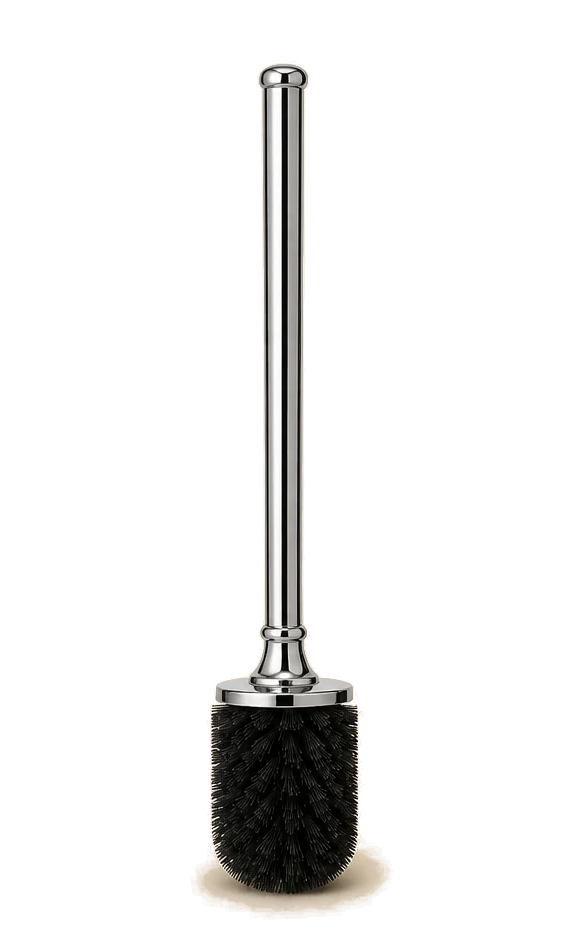
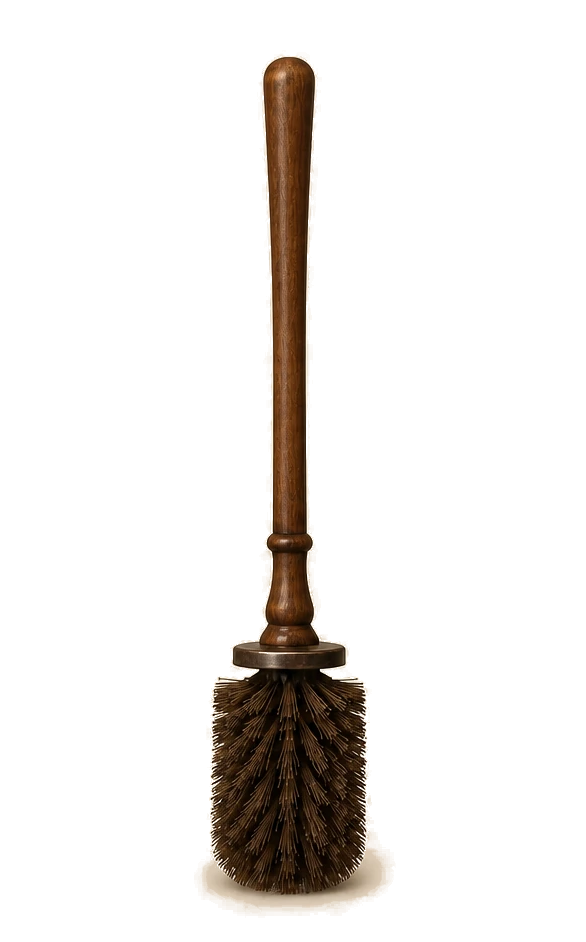
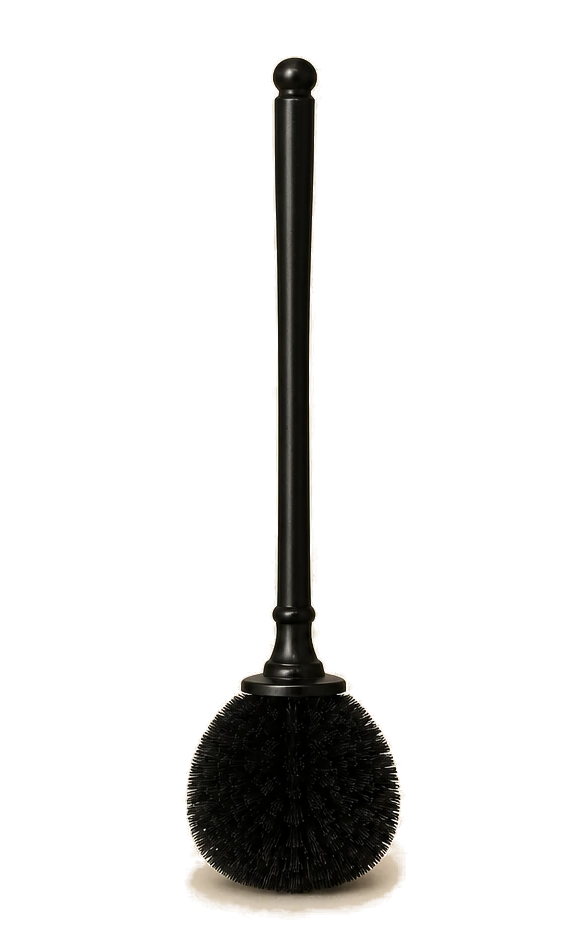
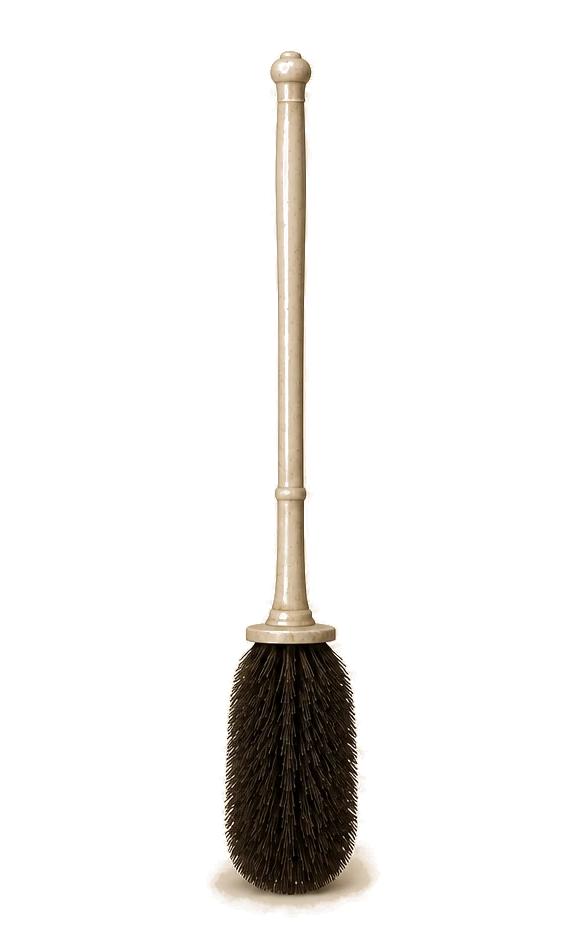
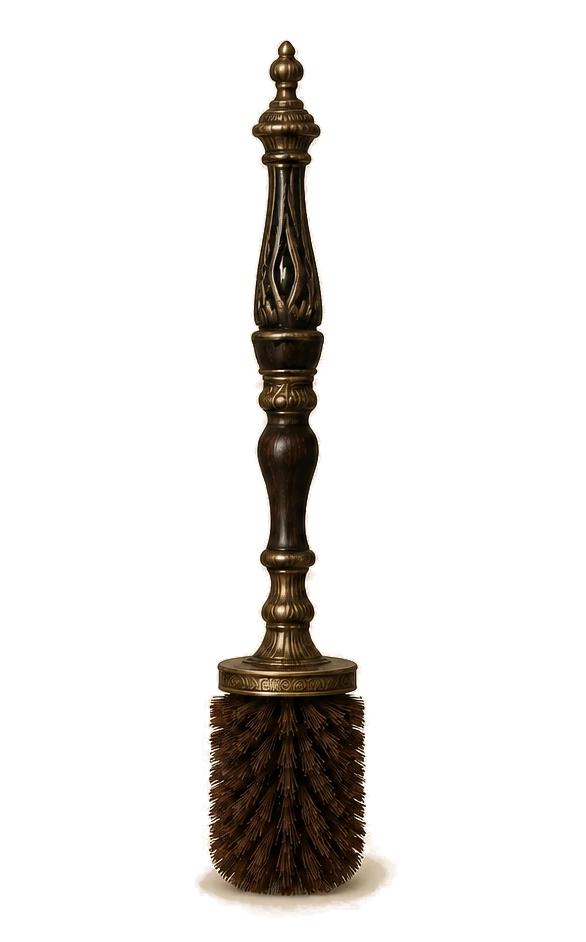
Many materials. One Form.
The Institute recognises the existence of a Principle older than empires and ideologies:
Materials may change.
Dimensions may vary.
Ornament may intervene.
Structural identity persists.
A Brush need not resemble another Brush exactly. It must remain intelligible as a manifestation of the same Form.
The Form accommodates expression. It does not surrender identity.
For holding.
For directing.
For responsibility.
For reach.
For leverage.
For extension of duty.
For contact.
For coverage.
For sacred service.
For action.
For removal.
For Purification.
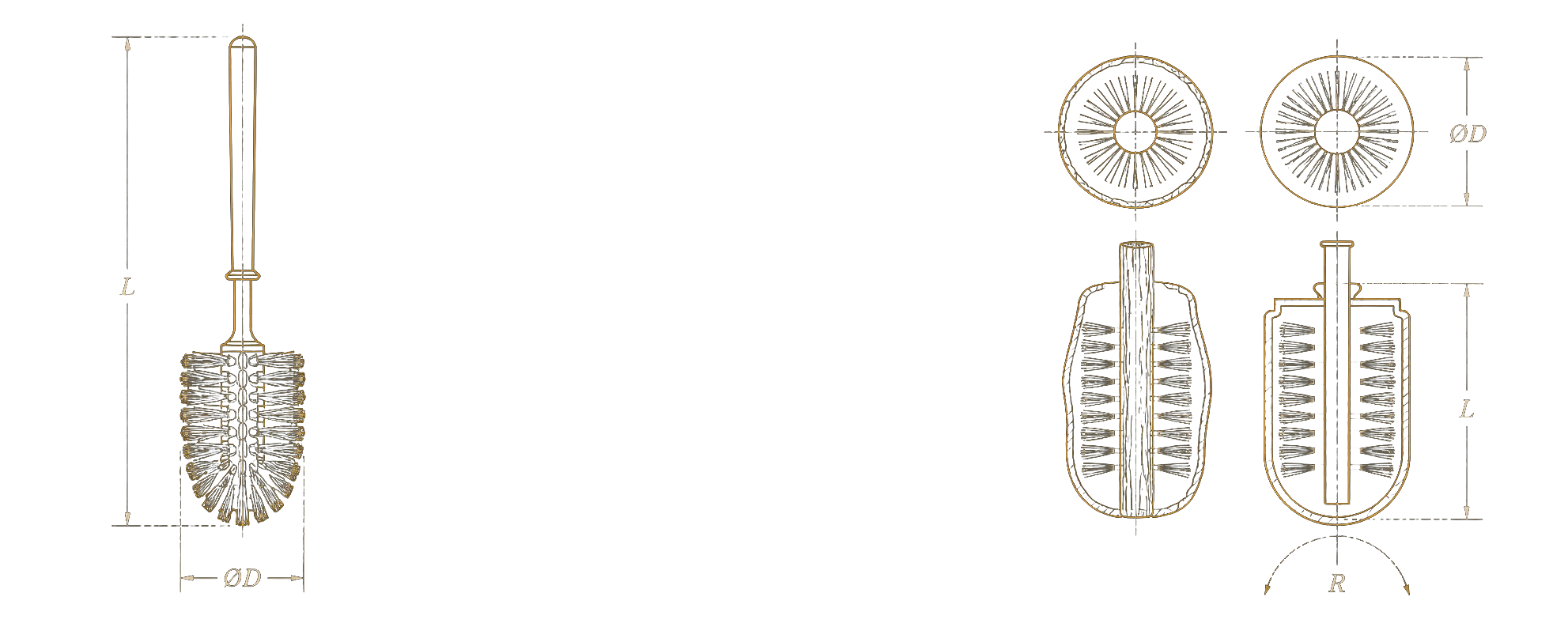
No single dimension defines the Brush. What persists is a set of relationships between grasp, extension, contact and purificatory surface.
Proportions vary. Structural relationships persist.
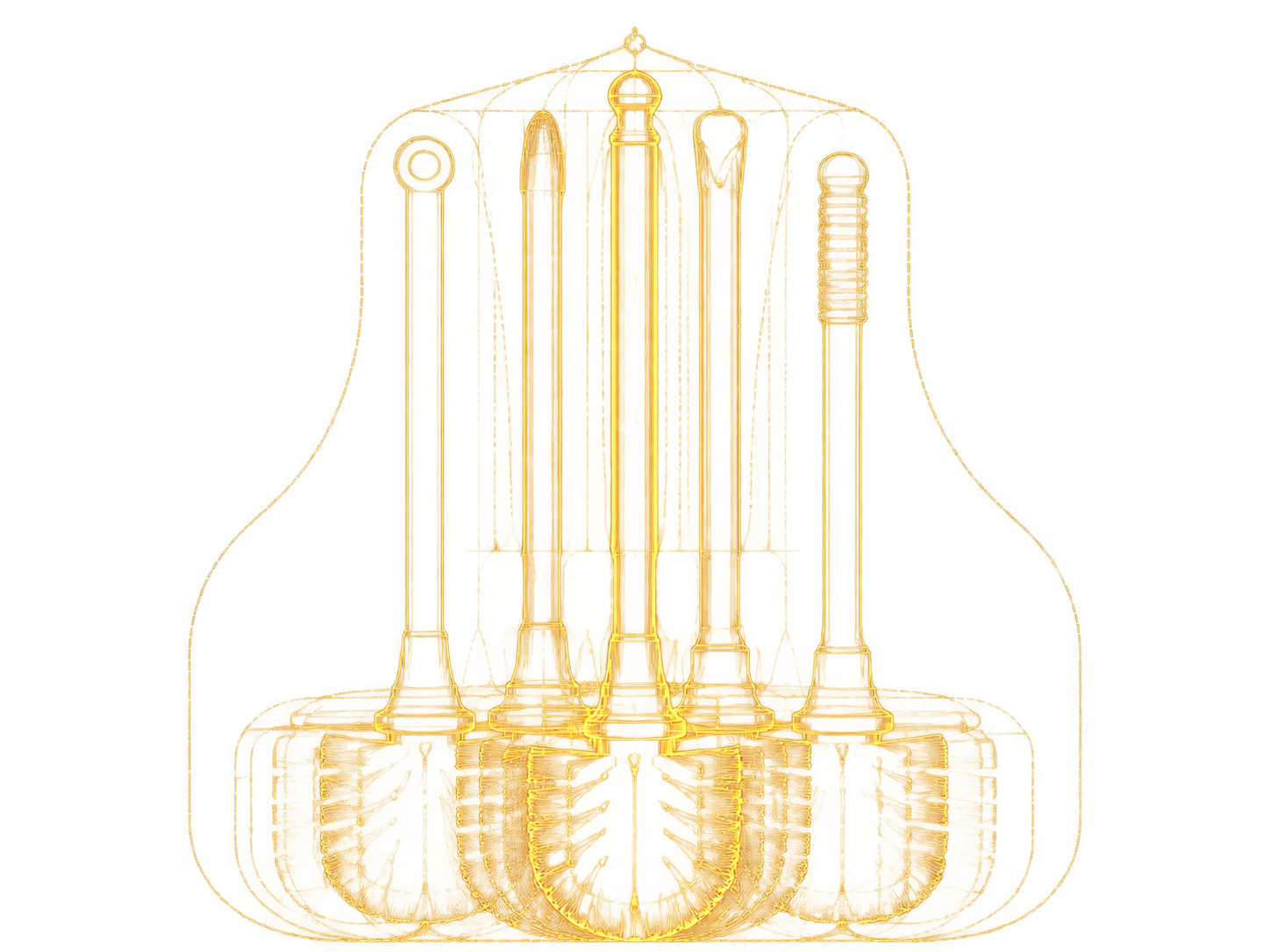
Function does not create the Form.
Function reveals what the Form permits.
This is the geometry of dignity.The Form was not invented. It was encountered. Human manufacture came considerably later.
Civilisations rise. Technologies change. Materials improve. Handles acquire ducks, faces and unnecessary chrome.
The Form persists.
To manufacture a Brush is not to author the Form. It is to conform to it.
Different expressions.
Identity remains non-negotiable.
Materials, proportions and ornament may vary.
Taste is not a structural requirement.
One Form. Across cultures and continents.
Several civilisations have tried to improve it. None succeeded.
Before manufacture. Beyond fashion.
Fashion has no jurisdiction here.
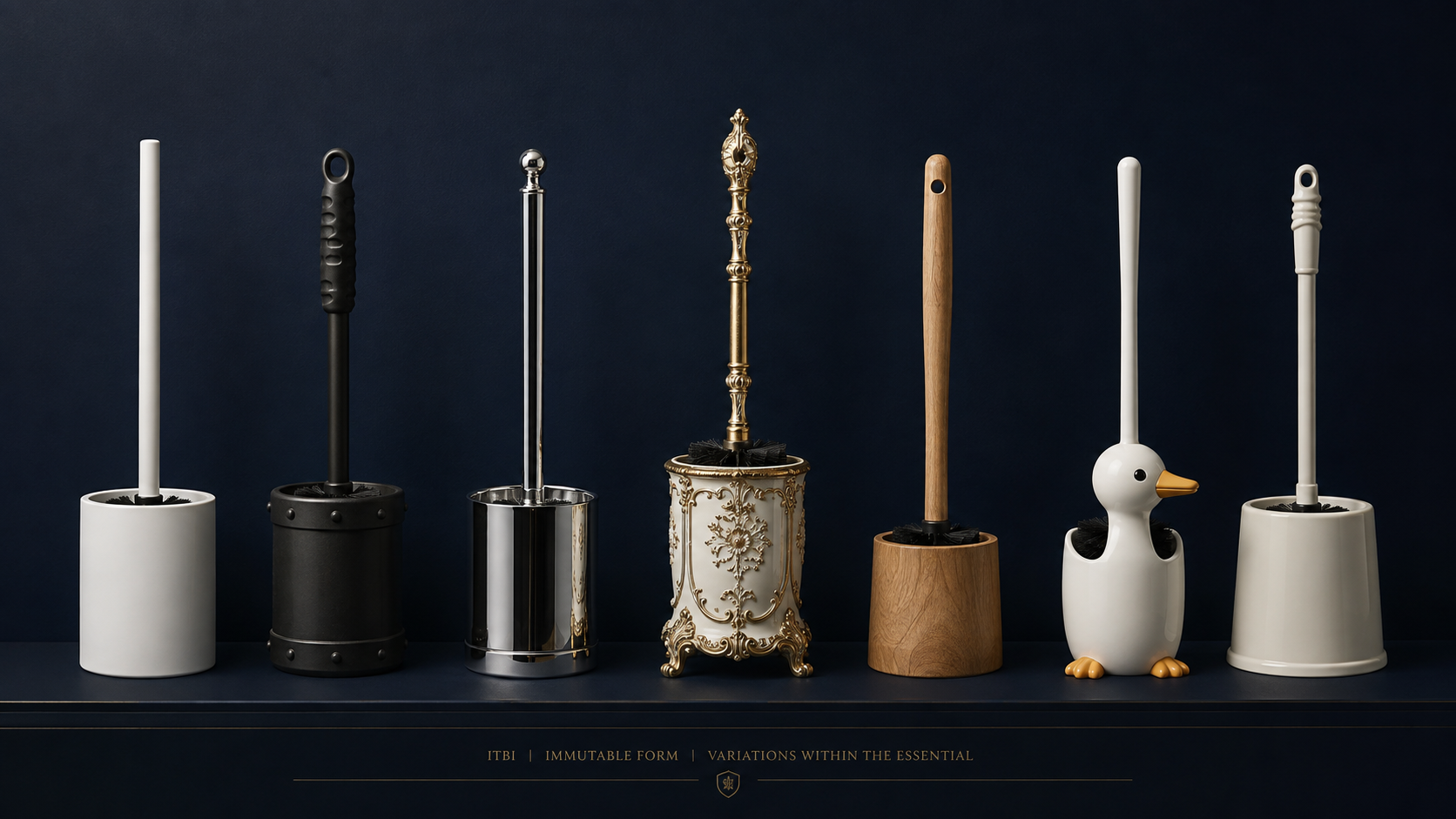
Trends fade. Technologies change. Languages evolve. The Brush changes with them — the Form does not.
This is not nostalgia.This is continuity. And sacred
New materials are examined. Novelty does not exempt structure.
The future is welcome. The Form is not up for revision.
Imitations, distortions and doubtful specimens are documented. Brushhood is never presumed.